
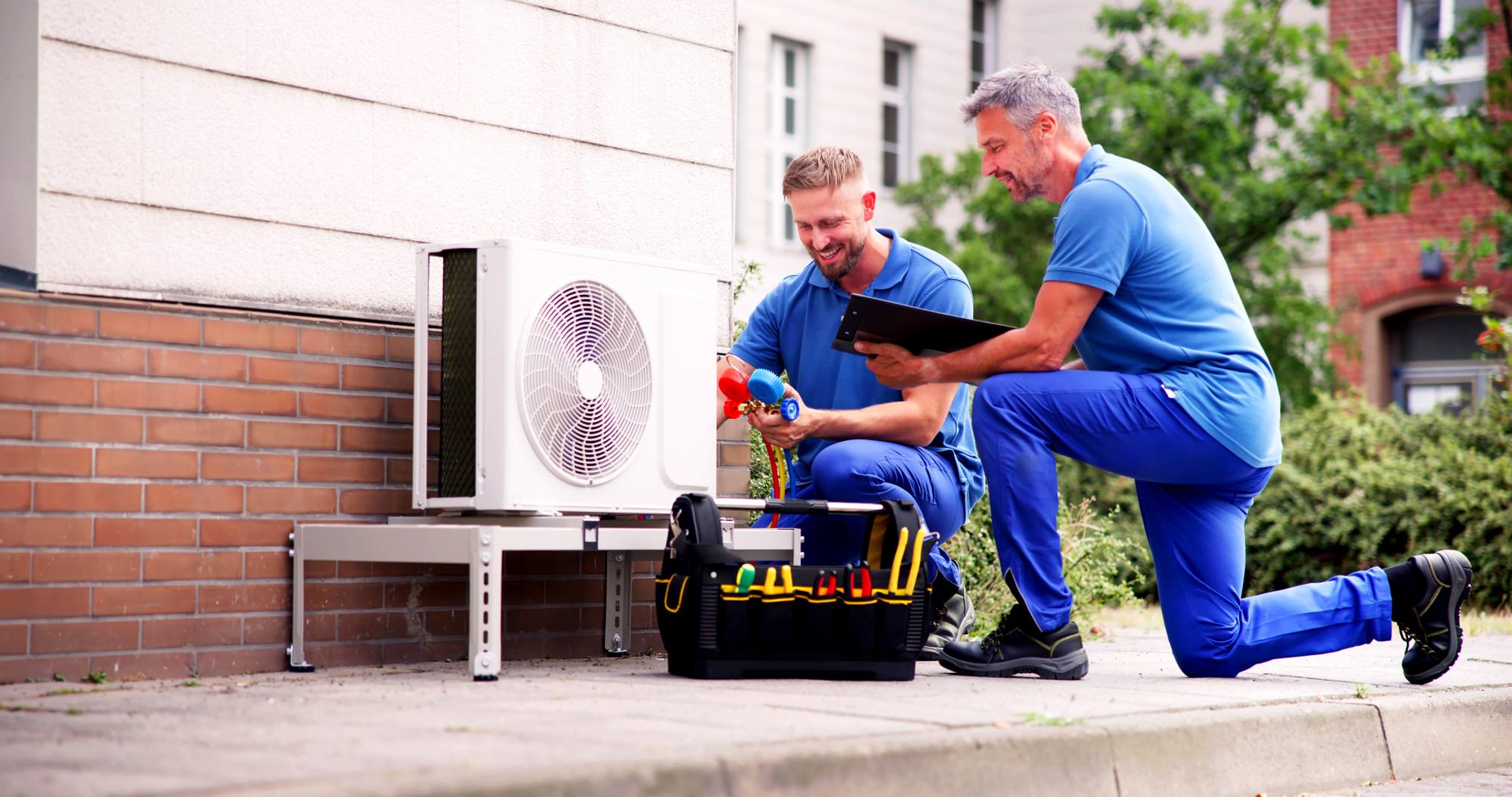
Michigan HVAC license requirements at a glance
- Issued by
- Michigan Department of Licensing and Regulatory Affairs (LARA), Bureau of Construction Codes
- License required
- Yes, HVAC work requires a licensed mechanical contractor or a trainee working under one
- Experience
- 6,000 supervised hours (≈3 yrs)
- Exam
- Michigan Mechanical Contractor exam (per classification)
- State fees
- $300 application fee, plus a $100 exam fee for the HVAC Equipment classification and $50 for other classifications
- Renewal
- Every 3 years
- Avg. MI HVAC salary
- $59,600/yr (2024)
- Federal
- EPA Section 608 required
How do you get an HVAC license in Michigan?
- Start as a trainee under a licensed mechanical contractor and begin logging hours toward your chosen classification
- Get EPA Section 608 certification in your first weeks (federal requirement for refrigerant work)
- Build 3 years, 6,000 hours, of experience in your classification; up to 2,000 hours of accredited HVAC schooling can substitute for field time
- Apply to LARA with the $300 fee, then pass your classification exam at one of seven testing centers statewide
- Add classifications to the same license as you build experience in them, and check local registration in cities like Detroit, Grand Rapids, and Lansing
What license tiers does Michigan offer?
Michigan runs a single license with many doors: the mechanical contractor license from LARA's Bureau of Construction Codes, issued per work classification (HVAC Equipment, Unlimited Heating Service, Unlimited Refrigeration and Air Conditioning Service, Ductwork, and more). There is no journeyman or master HVAC tier; trainees work under a licensed contractor until they qualify for the license themselves, and cities including Detroit, Grand Rapids, and Lansing can layer local registration on top.
What is the Michigan HVAC exam like?
PSI administers a separate exam for each work classification. The flagship HVAC Equipment exam (which includes ductwork and gas piping) is 150 questions in 3 hours for a $100 fee; most other classifications run 55 questions in 1 hour at $50. Every exam requires 75% to pass and embeds Michigan law questions from the Skilled Trades Regulation Act and the Stille-Derossett-Hall Act. Most are open book from the state's approved reference list, but the four Service classifications are closed book. Retakes are unlimited within your one-year eligibility window. Preparing to test? Our Michigan exam bank reproduces the full PSI format with every answer sourced.
How much does an HVAC license cost in Michigan?
About $400 in state costs start to finish: the $300 application plus a $100 exam for the HVAC Equipment classification ($50 for others), renewed on a three-year cycle. The 6,000 qualifying hours are paid work, and up to 2,000 can come from schooling you may fund through grants covered in our WIOA guide.
How does Michigan compare with another state?
Useful if you are deciding where to build your experience years. Shown exactly as published on each state's page, no scoring, no verdict.
Bordering states: Ohio requirements
How long does it take to become an HVAC tech in Michigan?
The clock is the 6,000 supervised hours, roughly 3 years of full-time paid work. Three years, 6,000 hours, in your chosen classification is the clock, and up to 2,000 of those hours can come from accredited HVAC training, so school shortens the field time by a third. The state side then moves in weeks: the $300 application, Board approval, the classification exam at one of seven testing centers, and the license arrives by mail. There is no journeyman stop along the way, which makes Michigan one of the most direct paths in the country from trainee to license holder.
Where can you train for HVAC in Michigan?
Michigan offers everything from paid union apprenticeships to one-year certificates and two-year degrees, and the right choice depends on your budget, timeline, and whether you want to earn while you train. We ranked every serious option in the state, including the programs aligned with Michigan's licensing pathway: see the best HVAC schools in Michigan.
Is HVAC a good career in Michigan?
Michigan figure is an estimate compiled from industry salary data, pending confirmation against the BLS state release. National median from the U.S. Bureau of Labor Statistics (May 2024). Verify current figures with BLS.

What does it take to start your own HVAC business in Michigan?
The mechanical contractor license is what lets you operate a business, advertise, pull permits, pass inspections, and bid public work in Michigan. It renews every three years, requires classification-appropriate insurance, and letting it lapse while working carries penalties up to $5,000 or a year in jail, so the renewal date is not a suggestion.
What most guides get wrong about Michigan
Michigan's structure is the thing most guides miss: there is no journeyman tier, so the mechanical contractor license is the individual credential, and it is assembled classification by classification. The other fact worth planning around: up to 2,000 hours of accredited schooling counts toward the 6,000-hour requirement, which quietly makes a one-year HVAC program worth a full year of the license clock.
Michigan HVAC license: frequently asked questions
Do you need a license to do HVAC work in Michigan?
Yes: Michigan law requires HVAC work to be performed by a licensed mechanical contractor or a trainee working under one, and working unlicensed carries penalties of up to $5,000 in fines or up to a year in jail. The 2017 Skilled Trades Regulation Act consolidated the rules into one uniform code administered by LARA's Bureau of Construction Codes.
Does Michigan have a journeyman HVAC license?
No, and this surprises people from neighboring states: Michigan issues no HVAC journeyman or master license at all. You are either a trainee under a licensed contractor or you hold the mechanical contractor license yourself, in whichever classifications you have qualified for. Three years of documented experience takes you straight to the license.
How much does the Michigan license cost?
The application is $300, the exam is $100 for the HVAC Equipment classification and $50 for other classifications, and every classification exam requires 75 percent to pass per the current PSI Candidate Information Bulletin. Renewal runs on a three-year cycle.
What are the Michigan mechanical classifications?
The license is built from work classifications rather than tiers: HVAC Equipment, Unlimited Heating Service, Unlimited Refrigeration and Air Conditioning Service, Ductwork, and others. You license only the classifications you have three years of experience in, and you add more to the same license as you qualify, so the license grows with your career.
HVAC licensing in every state
Blue states are live. Orange is this page. Gray states are publishing weekly.